
Yes, sensitive skin and a pedicure are not mutually exclusive. The safe route is a gentle, hygiene-first clinical pedicure that skips harsh soaks, sterilizes every tool, and uses hypoallergenic, fragrance-free products. If you have an active fungal infection, an open sore, or uncontrolled diabetes, talk to a medical provider before you book anything.
TL;DR:
- Sensitive skin clients benefit most from waterless pedicures that avoid harsh soaks, shared tools, and fragrance-heavy products.
- People with active fungal infections, open sores, or unmanaged diabetes should consult a healthcare provider before scheduling a pedicure.
- Expect a longer, more careful appointment with a consultation, gentle cleansing, conservative callus care, and no aggressive shaving or heavy massage.
- Confirm the salon uses sterilized, single-use tools and offers hypoallergenic, fragrance-free products, or bring your own items beforehand.
- Post-care includes avoiding tight shoes, moisturizing daily with fragrance-free lotion, and monitoring for signs of irritation or infection.
Table of Contents
- What Makes a Sensitive Skin Pedicure Different From a Regular One
- Who Benefits and Who Should Wait
- What to Expect During the Appointment
- Products and Techniques Worth Requesting
- How to Vet a Salon Before You Book
- Aftercare and Warning Signs to Watch
- Why Hygiene-First Pedicures Deserve More Attention Than They Get
- Book a Gentle Pedicure That Actually Listens to Your Skin
- Sources
- FAQ
What Makes a Sensitive Skin Pedicure Different From a Regular One
A regular cosmetic pedicure is built around polish and presentation. A sensitive skin pedicure, sometimes called a clinical or medical pedicure, is built around wellness first and appearance second. The goal is to manage thickened nails, calluses, dry patches, or reactive skin without triggering irritation or infection.
That distinction shows up in the waterless pedicure techniques and specialized beauty services that accommodate sensitive skin. Clinics and salons offering this service lean on waterless methods and professional-grade tools instead of long hot soaks, and they treat calluses and cuticles conservatively rather than cutting aggressively. Skipping the communal footbath also removes a common irritant source: shared water and metal tools that can carry fragrance residue, harsh surfactants, or microbes from the last client. The result is a service that still leaves your feet smooth and cared for, just without the ingredients and shortcuts that trigger a reaction in reactive skin.
Who Benefits and Who Should Wait
People with eczema, contact dermatitis, psoriasis-prone skin, fragile or thin nails, or a history of allergic reactions to salon products are exactly who this service was designed for. So are people who just want a calmer, less aggressive version of a standard pedicure.
Some conditions call for a pause instead. Active, untreated fungal or bacterial nail infections and open sores or wounds on the feet mean you should see a healthcare provider before a salon visit, since compromised skin makes infection easier to pick up and harder to treat. Neuropathy and diabetes need extra care rather than a flat no. Reduced sensation means you might not feel a nick or a burn from water that’s too hot, so technicians should skip prolonged soaking, avoid heavy massage, and inspect the skin closely before doing anything else.
What to Expect During the Appointment
A sensitive skin pedicure typically runs a bit longer than a standard service when the technician needs extra time for careful callus work or a patch test. The pace should feel deliberate, not rushed.
Here’s the general flow you can expect and check against:
- A short consultation about allergies, skin conditions, or recent nail issues.
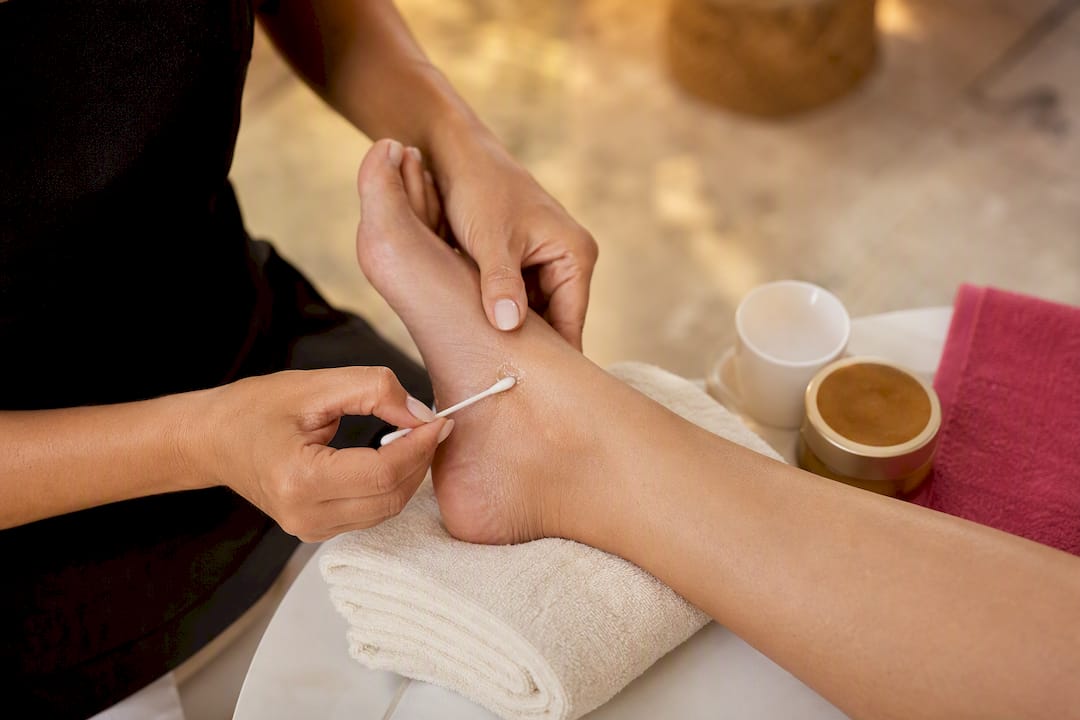
- Gentle cleansing, either with a controlled waterless method or a brief, low-temperature rinse instead of a long soak.
- Conservative callus care using manual tools or a low-speed e-file, never aggressive shaving.
- Cuticle care that pushes back gently rather than cutting.
- A fragrance-free moisturizer applied and massaged in lightly.
- Optional hypoallergenic polish, or no polish at all if you’d rather let your nails breathe.
If a technician skips the consultation or jumps straight to a hot soak, that’s your cue to speak up or reschedule.
Products and Techniques Worth Requesting
The product list matters as much as the technique. Ask specifically for:
- Fragrance-free, hypoallergenic lotions and creams
- Acetone-free polish remover
- 3-free or 5-free polish formulas, which drop common irritants like toluene and formaldehyde
- HEMA-free gel options if you’ve reacted to gel systems before
- A patch test on a small area if you’re trying a new product for the first time
Sanitation is non-negotiable here. Confirm the salon uses single-use files and buffers, disposable bath liners or a fully waterless setup, and sterilizes metal tools like nail clippers and cuticle pushers between every client. If they use an e-file, ask how they control the speed for sensitive nails. A technician who can explain their process clearly, without hesitation, is usually one who takes it seriously.
Pro Tip: If you’ve had a reaction before, bring the product that caused it (or a photo of the label) so your technician can avoid similar ingredients, and ask if they’ll do a quick patch test on your ankle before starting.
How to Vet a Salon Before You Book
A quick phone call or a walk through the door tells you most of what you need to know. Run through this before committing:
- Ask if they offer a sensitive-skin, clinical, or waterless pedicure option by name.
- Ask how they sanitize metal tools and whether files and buffers are single-use.
- Ask if they carry fragrance-free or hypoallergenic product lines, and whether you can bring your own.
- Ask if they’ll do a patch test for a new product.
- Watch for red flags at arrival: reused foot baths without visible cleaning between clients, tools sitting out unwrapped, or a rushed answer to any hygiene question.
A salon confident in its process answers these questions without getting defensive. That confidence is often the best predictor of a safe experience.
Aftercare and Warning Signs to Watch
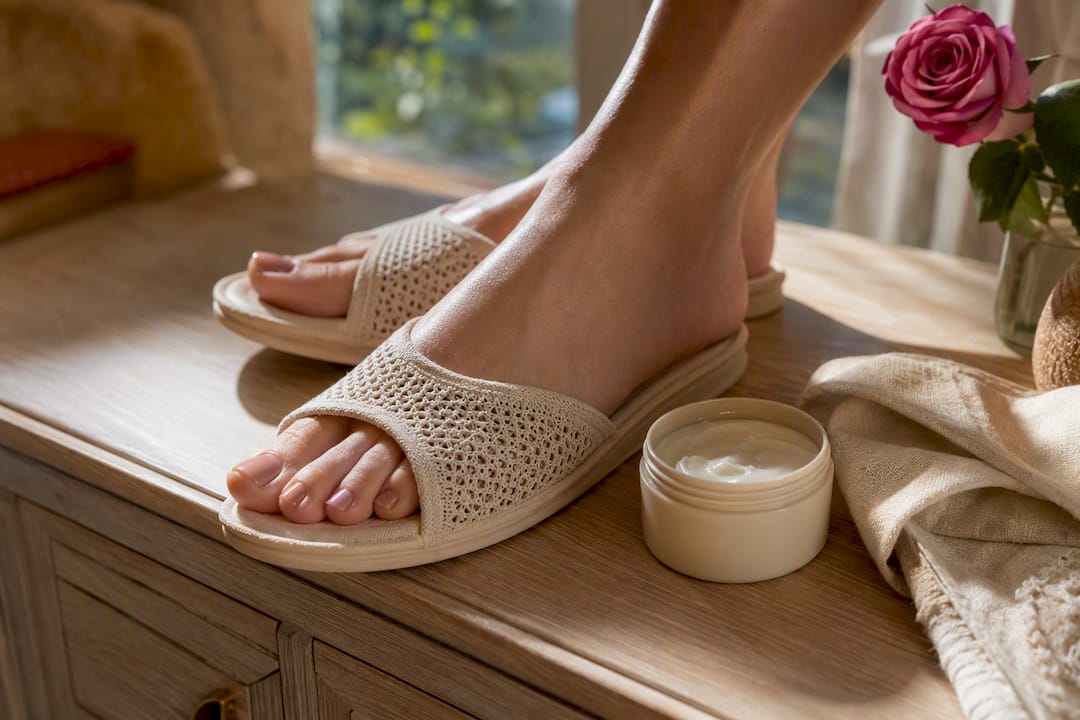
For the first 24 hours, skip tight shoes and go with something open or breathable instead. Moisturize daily with a fragrance-free lotion, and avoid reapplying anything scented that might undo the point of a gentle pedicure in the first place.
Watch for redness that spreads, swelling, unusual warmth, or any discharge around the nail bed. Those signs point to irritation or infection rather than normal post-service sensitivity, and they’re worth a call to a clinician rather than a wait-and-see approach. If something feels off, tell the salon too. A reputable one will want to know which product or technique triggered the reaction so they can adjust for your next visit, and many will offer a follow-up appointment to make it right.
Why Hygiene-First Pedicures Deserve More Attention Than They Get
Most people assume “sensitive skin” means avoiding a pedicure altogether, or settling for a rushed, generic version of one. That’s backwards. The real fix isn’t avoidance, it’s better vetting. A salon that trains technicians to explain their e-file controls and use conservative techniques on request is doing the harder, less flashy work that actually protects reactive skin.
At Foxy Nails, that shows up in small, practical adjustments: transparent answers about what’s in a product, lighter pressure during callus work, and a willingness to patch test or work with a product you bring yourself. If you’ve been burned by a one-size-fits-all pedicure before, ask for those adjustments directly. Most technicians are glad to make them once you name what you need.
— Cuong
Book a Gentle Pedicure That Actually Listens to Your Skin
Some salons offer a real conversation about your skin before anyone touches a file. Instead of a rushed, one-size-fits-all soak, you get a technician who’ll talk through products and pressure before starting.

The Spa Pedicure runs $40 and covers the gentler end of the menu, while the Foxy Deluxe Pedicure at $55 and the Foxy Signature Pedicure at $65 add more conditioning time for dry or reactive skin. Families can also check the manicure and pedicure options built for kids and gentle first visits. Clients are advised to mention any skin sensitivities or nail conditions in advance and inquire about hypoallergenic products or patch tests before the appointment. Book through the services page and get the specifics settled before you sit down.
Sources
- Medical pedicure: everything you need to know (Balance Health / University Foot and Ankle Institute)
- Nail hygiene and salon risks (TMC news)
- Are manicures and pedicures safe for sensitive skin? (Vital Balance Life)
FAQ
What Is the Healthiest Pedicure to Get?
For most people, that’s a waterless or conservative clinical pedicure using hypoallergenic, fragrance-free products and single-use tools. It prioritizes skin and nail health over polish, and it cuts out the shared soaking water that can harbor microbes.
Are Medical Pedicures a Real Thing?
Yes. Medical or clinical pedicures are a recognized service focused on wellness and hygiene rather than aesthetics, often using waterless techniques and professional-grade tools for thick nails, calluses, and sensitive skin.
Can I Get a Pedicure If I Have Toenail Fungus?
If the infection is active and untreated, see a healthcare provider first rather than booking a salon visit. Once it’s being treated or has cleared, a salon that sterilizes metal tools and uses single-use files and buffers lowers the risk of spreading it or picking up something new.
Can Someone With Neuropathy Get a Pedicure?
Often yes, but with adjustments. Skip long hot soaks and heavy massage since reduced sensation can mask burns or pressure injuries, and ask your technician to inspect your skin closely and stick to gentle cleansing and moisturizing instead.
Does Foxy Nails Offer Sensitive-Skin-Friendly Options?
Foxy Nails offers gentler service tiers including the Spa Pedicure and the Foxy Deluxe and Signature Pedicures, and clients can ask about hypoallergenic products or bring their own before booking.