
For dry climates, the fastest way to rescue nails is this: moisturize immediately after any water contact, apply cuticle oil daily as recommended, wear gloves for wet tasks, and skip acetone-based removers. Do those four things consistently and most brittle, peeling, and splitting nails start improving within a few weeks.
Three things to do tonight, before you forget:
- Swap your current polish remover for a non-acetone formula.
- Rub a drop of cuticle oil into each nail bed right now, while you’re reading this.
- Slather on hand cream and pull on a pair of cotton gloves before bed.
Pro Tip: Nails grow from the matrix under the cuticle at roughly about three millimeters per month on average, so give any new routine at least six to eight weeks before judging results — you’re growing a healthier nail, not patching the old one.
Key Takeaways
Dry climate nail care works best when daily oil and occlusive layering are paired with reduced water exposure and gloves for wet tasks.
| Point | Details |
|---|---|
| Moisturize after water contact | Apply cuticle oil and cream within a minute or two of washing hands or showering. |
| Layer oil, then occlusive | Use jojoba or a similar oil first, then seal with a shea, lanolin, or petrolatum cream. |
| Wear gloves for wet work | Cotton liners under rubber gloves protect nails during dishes and cleaning tasks. |
| Skip acetone and harsh hardeners | Acetone removers and formaldehyde-based hardeners strip the oils nails need to stay flexible. |
| Book a moisture-focused salon visit | Foxynailsreno’s moisturizing manicures and paraffin dips complement a daily home routine for dry nails. |
Table of Contents
- Why Dry Air and Daily Habits Make Nails Brittle
- Your Daily Nail Care Routine, Step by Step
- Habits That Protect Nails From Further Damage
- Which Professional Treatments Actually Help Dry Nails?
- Do Biotin and Nutrition Actually Strengthen Nails?
- Which Nail Products Help, and Which Make Dryness Worse
- Safe At-Home Fixes for Severely Dry Nails
- Is It Dry Nails, an Infection, or Something Else?
- How Foxy Nails Approaches Moisture-Focused Nail Care
- What a Nail Salon Learns About Dry Climate Nail Care
- Ready for a Moisture Boost? Book a Manicure That Treats the Cause
- Sources
Why Dry Air and Daily Habits Make Nails Brittle
Low humidity pulls moisture straight out of the nail plate the same way it dries out a houseplant. Indoor heating in winter and air conditioning in summer both drop indoor humidity well below what skin and nails need to stay flexible, and the nail plate has no oil glands of its own to fight back.
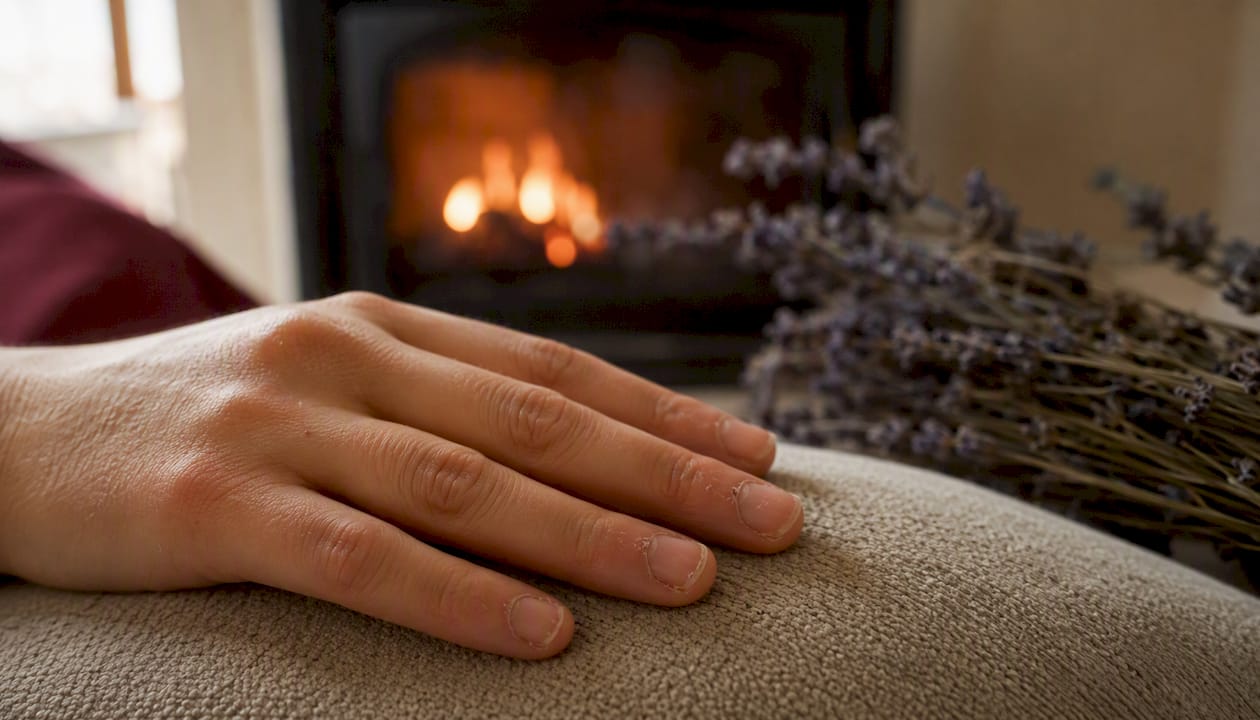
Water is actually the bigger culprit for a lot of people, though. The nail plate absorbs water far more readily than skin does, which means repeated hydration and dehydration cycles from constant handwashing put more stress on nail structure than dry air alone. Every time nails swell with water and then shrink back down as they dry, the layers of keratin flex and eventually separate.
A few other factors stack on top of that:
- Acetone, harsh dish soap, and some “strengthening” hardeners strip the nail’s natural oils along with any polish.
- Mechanical trauma from typing, gardening, or aggressive filing weakens nails already compromised by dryness.
- Sudden ridging, thickening, discoloration, or nails that pull away from the skin can signal thyroid issues, anemia, or a fungal infection rather than simple dryness, and those need a medical look rather than more lotion.
Your Daily Nail Care Routine, Step by Step
Think of nail hydration the way you’d think of skincare: cleanse, then layer products from thinnest to thickest so each one seals in the last. This is the core of dry climate nail care, and it takes less time than scrolling your phone while you wait for coffee.
- Cleanse gently. Use a mild, low-alcohol soap and lukewarm water, never hot.
- Towel-dry, don’t rub. Pat nails and cuticles dry to avoid dragging at the skin edge.
- Apply cuticle oil. Jojoba oil is a favorite because it mimics the skin’s natural sebum and absorbs fast; massage it into the cuticle and nail plate to help it sink in rather than sit on the surface.
- Seal with an occlusive. A cream with shea butter or lanolin works for daytime; petrolatum ointment is heavier and better saved for night, since moisturizers combining humectants like glycerin with occlusives are the combination clinical reviews point to for genuinely dry, brittle nails.
- Optional: slug overnight. Layer oil, then ointment, then cotton gloves before bed for the driest weeks of the year.
That’s the full version. If you’re rushing out the door, keep a small vial of cuticle oil in your bag and swipe it on after you wash your hands at work or the gym. Even 15 seconds of product on bare nails beats skipping the step entirely.
Pro Tip: Keep your nightly cream by your toothbrush, not in a drawer. Habits stick to locations, not intentions.
Habits That Protect Nails From Further Damage
Gloves are the single most underused tool in nail care. Wear cotton-lined rubber gloves for dishes and cleaning, and separate, heavier gloves for yard work or handling firewood, since wearing gloves for wet work is a core recommendation from Mayo Clinic’s nail care guidance.
Handwashing technique matters more than people expect:
- Use lukewarm water, never hot, since heat strips oils faster.
- Choose a gentle, fragrance-free soap over antibacterial formulas when you have a choice.
- Pat hands dry instead of air-drying, then apply moisturizer within a minute or two, while skin is still slightly damp.
Grooming rules round it out: keep nails trimmed short enough to resist snagging, file in one direction rather than back and forth, and resist picking at hangnails or peeling layers, since frequent wet-dry cycles are a documented driver of brittle nail syndrome that picking only makes worse. Limit soaking nails in water, which feels soothing but actually invites the same swelling-and-shrinking cycle that causes splits.
Which Professional Treatments Actually Help Dry Nails?
A moisturizing manicure with a paraffin dip does real work for dry climate nail care. The warm wax locks in emollients, gentle buffing smooths ridges without over-thinning the nail plate, and controlled glycolic acid exfoliation, done at low concentrations in a controlled setting, can improve how well moisturizer penetrates the nail surface.
Use caution with a few other services:
- Frequent gel or UV sets, done back-to-back without breaks, can trap moisture loss underneath and stress the nail bed during removal.
- Aggressive acetone soaks used to strip gel or acrylic dry out the surrounding skin and nail plate together.
- Some nail hardeners marketed as “strengtheners” contain formaldehyde or high-alcohol formulas that leave nails more brittle than before you started.
Before booking, ask your technician what removal method they use, how long they recommend between gel fills, and whether they offer a moisturizing add-on. A good salon visit should leave nails softer than when you walked in, not drier.
Pro Tip: If a nail suddenly lifts from the bed, turns green or black, or a cuticle looks swollen and painful, stop salon services and see a dermatologist. That’s outside what any manicure can fix.
Do Biotin and Nutrition Actually Strengthen Nails?
Protein and iron matter more than most people realize, since nails are built almost entirely from keratin and need a steady supply of amino acids and oxygen-carrying iron to grow strong. A genuinely balanced diet, not a single miracle food, is the real foundation here.
Biotin gets the most attention, and for good reason: some clinical protocols use doses in the range of 2,500 to 5,000 micrograms daily, with visible improvement over roughly six to eight weeks, though Mayo Clinic advises discussing biotin with a healthcare provider before starting, since high doses can interfere with certain lab tests.
- Protein and iron support the keratin structure nails are made of.
- Biotin supplementation shows benefit over weeks, not days, so patience matters.
- Supplements only support the process. They don’t replace daily moisturizing or treating a thyroid or fungal issue underneath the surface.
Which Nail Products Help, and Which Make Dryness Worse
The winning formula is layering, not switching products. Apply a lightweight oil first to penetrate the nail plate, then seal it with a thicker cream or ointment on top, the same way you’d apply a serum before a moisturizer on your face.
Look for jojoba oil, shea butter, lanolin, or glycerin on the ingredient label. Each one either mimics natural oils or draws in and holds water at the nail surface. Skip anything with a high alcohol content near the top of the ingredient list, and skip acetone removers entirely in favor of an acetone-free version, since acetone and harsh formulas strip the same oils you’re working to restore.
- Patch-test any new cuticle oil on one nail for a few days before switching entirely, especially with fragrance-heavy formulas.
- A holistic approach to dry skin that treats hands and nails as one system, rather than separate problems, tends to get better long-term results than spot-treating nails alone.
- Reach for a night cream with occlusives (petrolatum, beeswax) for bedtime and a lighter lotion for daytime use under gloves or gardening gear.
Safe At-Home Fixes for Severely Dry Nails
Overnight slugging is the single most effective at-home rescue for genuinely parched nails, and it costs nothing beyond product you likely already own.
- Massage in cuticle oil for about a minute per hand.
- Layer a petrolatum-based ointment over the oil.
- Pull on cotton gloves and leave them on overnight.
- Repeat two to three nights a week during the driest months, not every single night, since over-occluding can feel greasy without adding extra benefit.
For at-home exfoliation, a low-concentration glycolic pad used once a week smooths rough ridges without over-stripping the nail surface. Stop these habits immediately if you’re doing them: acetone soaks to “clean up” nails, aggressive metal-file buffing every few days, and picking at peeling layers with your fingers instead of trimming them with clippers.
Pro Tip: Slugging works because the ointment traps in what the oil just delivered. Skip the oil and go straight to ointment, and you’re just sealing in dryness.
Is It Dry Nails, an Infection, or Something Else?
Simple dryness looks like fine vertical ridges, mild peeling at the tips, or nails that catch on fabric. That responds to the daily routine above within a few weeks.
Fungal infection looks different: thickened, yellow or white discoloration, a crumbly texture, or a foul odor, and it needs an antifungal treatment rather than more oil. Systemic issues show up as spoon-shaped nails, unusual pale or blue coloring, or nails separating from the bed, and Mayo Clinic recommends bringing these changes to a healthcare provider rather than treating them at home.
- Simple dryness: keep up daily oil and occlusive layering.
- Suspected fungus: stop polish and gel services, see a provider.
- Sudden color, shape, or texture change: get evaluated before booking any more salon work.
How Foxy Nails Approaches Moisture-Focused Nail Care
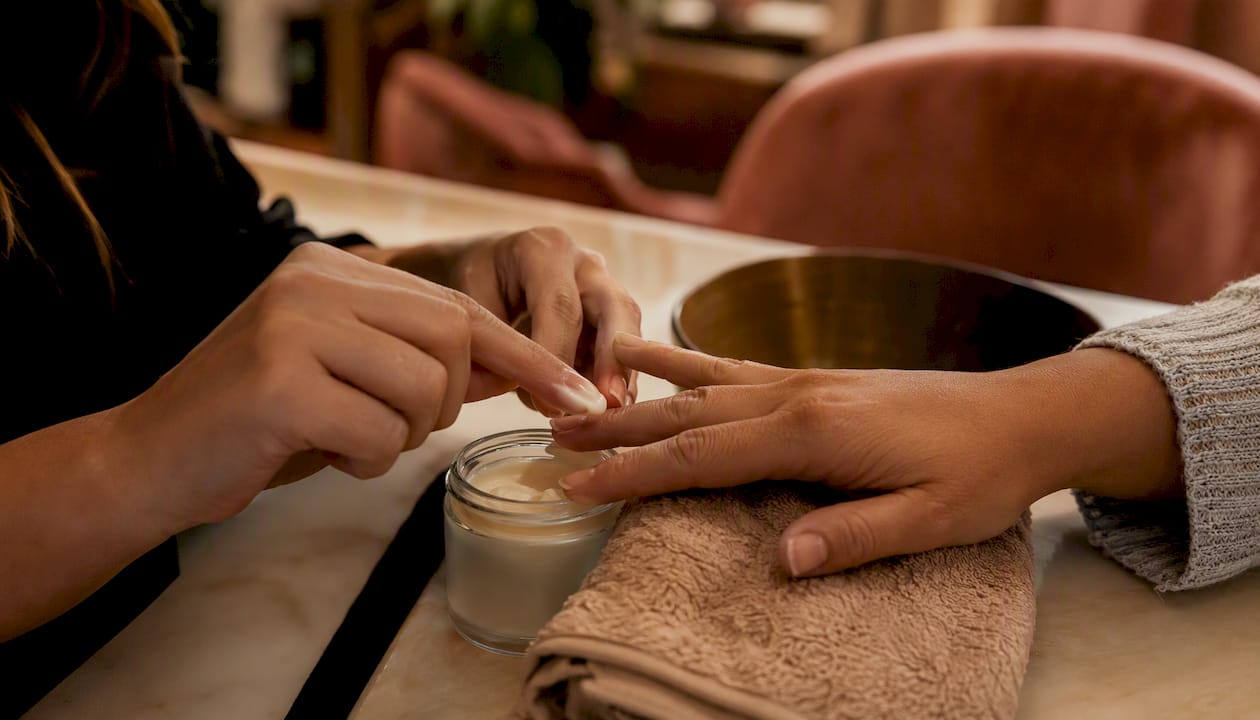
A moisturizing manicure at Foxy Nails pairs warm towel steps with cuticle oil and a paraffin dip, the exact combination that helps dry, cracked nails recover faster than home care alone. Spa pedicures add the same hydration focus for feet, which take a beating from dry socks and closed shoes all winter.
For clients who want enhancements without sacrificing nail health, Gel X and hard gel options use gentler removal methods than traditional acrylic, which matters when nails are already dehydrated. Ask your technician these questions before booking:
- What removal method do you use for gel or acrylic, and how does it affect nail thickness over time?
- How often do you recommend fills or new sets for someone with dry, brittle nails?
- Can you add a paraffin dip or extra cuticle oil to this service?
Most clients notice softer cuticles and smoother nail surfaces right after one visit, with fuller improvement showing over several appointments as new growth comes in.
What a Nail Salon Learns About Dry Climate Nail Care
The biggest misconception in dry climate nail care is that intense, one-time fixes beat boring daily habits. They don’t. A single deep-conditioning treatment feels great for a day, but nails rebuild themselves slowly, and the clients who actually see change are the ones applying oil most nights, not the ones chasing an occasional miracle product.
The one salon habit worth stealing: massage oil into the nail plate, not just the cuticle edge, since that’s where absorption actually happens. Do that tonight, and stay consistent for six weeks before judging results.
— Cuong
Ready for a Moisture Boost? Book a Manicure That Treats the Cause
Daily oil and gloves handle prevention, but dry, cracked nails in the middle of a Reno winter often need more than a home routine can deliver in one week. Foxynailsreno’s moisturizing manicures pair warm paraffin, cuticle oil, and gentle buffing in a single visit, which does more for depleted nails than a week of at-home layering alone.

If you’re dealing with peeling, splitting, or nails that just won’t hold polish through dry months, book a manicure and pedicure appointment and let your technician build a paraffin dip and cuticle treatment into the service. For dry, cracked heels alongside dry nails, a spa pedicure treats both problems in one appointment. Bring up your specific concerns when you book so the technician can tailor products to what your nails actually need that week.
Sources
For deeper background on nail structure and brittle nail syndrome, these sources informed this guide:
- Brittle Nail Syndrome: Background, Pathophysiology, Etiology (PMC review)
- Mayo Clinic – nails: maintenance and health tips
- Cleveland Clinic – Brittle nails: causes and treatment tips
- Byrdie – How to make sure your nails are moisturized